Sham
March 3, 2026
4 min read
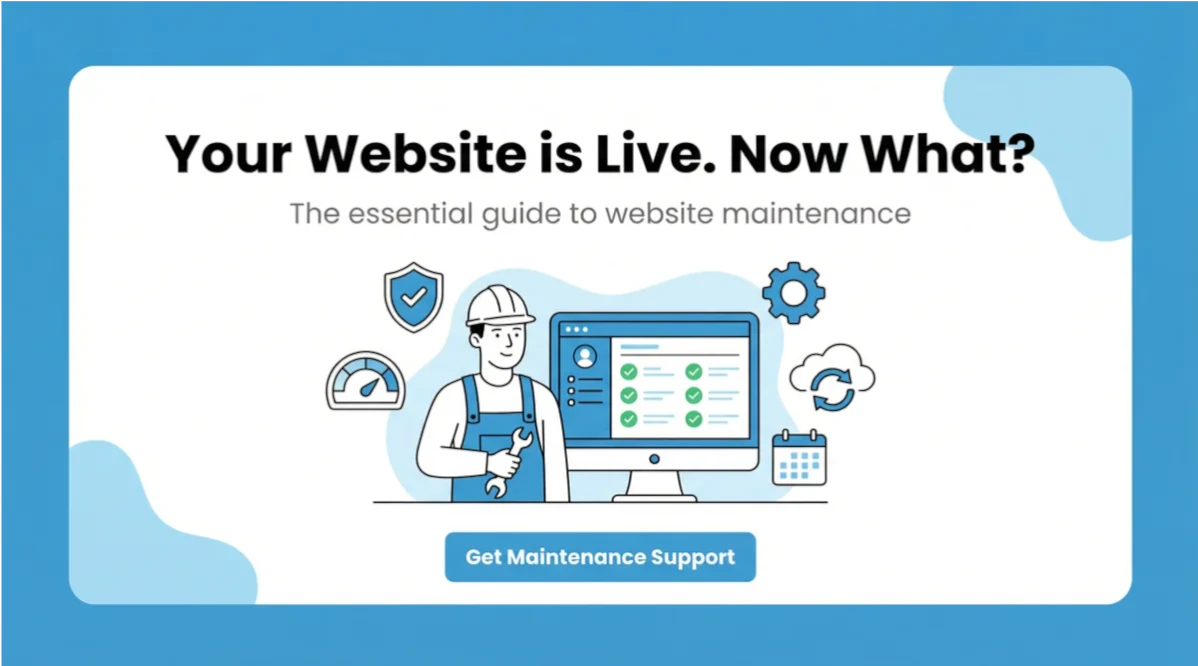
Launching a new website is a major milestone for any business. After weeks or even months of planning, designing, and developing, your digital storefront is finally open to the world. But the work doesn’t stop there. In fact, launching your site is just the beginning. To ensure your website remains a valuable asset that performs well, stays secure, and continues to meet your business goals, you need a solid website maintenance plan.
Many business owners overlook website maintenance, viewing it as an unnecessary expense. However, neglecting your site is one of the costliest mistakes you can make. A poorly maintained website can suffer from slow performance, security vulnerabilities, broken features, and a decline in search engine rankings, all of which can drive potential customers away. This guide will cover the essential aspects of website maintenance and explain why it’s a critical investment for your long-term success.
Website maintenance involves regularly checking your website for issues and errors and keeping it updated and relevant. It is a proactive process designed to prevent problems before they happen. This includes a variety of tasks, which can be grouped into several key areas:
Security is arguably the most critical component of website maintenance. With cyber threats becoming more sophisticated, regular security monitoring is essential to protect your site and your customers’ data.
A fast-loading website provides a better user experience and ranks higher in search engines. Performance maintenance ensures your site remains quick and responsive.
Keeping your content fresh and your SEO strategy sharp is key to attracting and retaining visitors.
What works today might not work tomorrow. Regular checks ensure your website’s functionality remains intact across all devices and browsers.
Your website is a significant investment of time and money. A consistent maintenance plan protects that investment, ensuring it continues to deliver a positive return. By staying on top of security, performance, content, and functionality, you provide a better experience for your users, build trust, and support your business’s growth.
While you can perform some of these tasks yourself, a professional maintenance service can provide peace of mind and free you up to focus on what you do best: running your business.
Ready to put your website on a proactive maintenance plan? Contact Nexxen Studio today. We’ll handle the technical details so you can focus on your business.

Your website should be your hardest-working employee, attracting new customers and driving sales 24/7. But what if it’s actually doing the opposite? A poorly designed or outdated website can be a major liability, costing you customers and revenue without you even realizing it. In today’s competitive digital landscape, you can’t afford to have a website […]

In the hyper-competitive world of e-commerce, a beautiful website is no longer enough. To truly succeed, you need to provide an exceptional user experience (UX) and an intuitive user interface (UI). A seamless and enjoyable shopping experience can be the deciding factor that turns a casual browser into a loyal customer. In fact, studies have […]
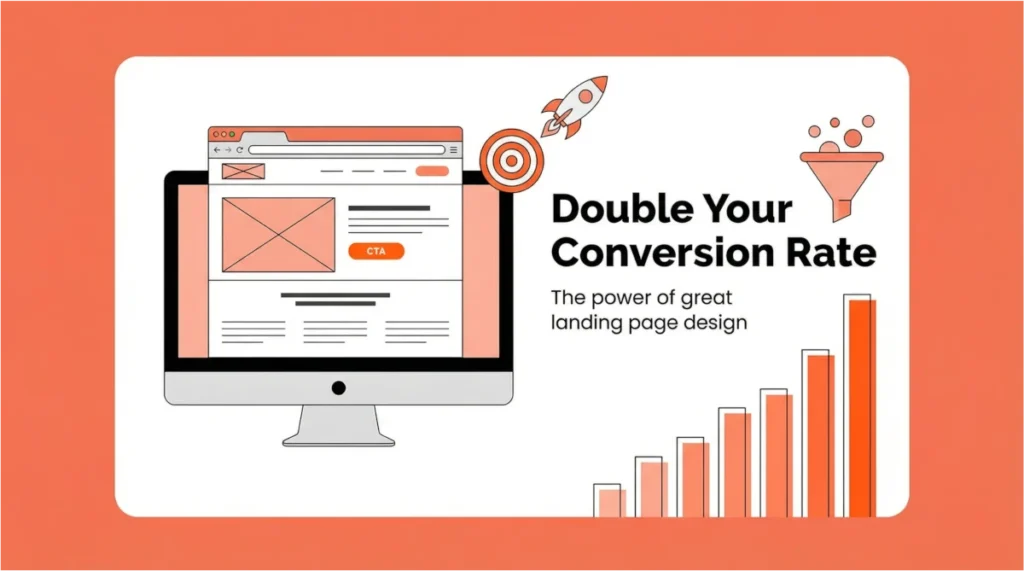
In the world of digital marketing, your landing page is your most valuable player. It’s the first impression, the sales pitch, and the closing argument all rolled into one. A well-designed landing page can be the difference between a visitor who bounces and a customer who converts. In fact, a great landing page design can […]